When it comes to working with metal pipes, one of the most common questions that arises is whether pliers can be used. As a professional pliers supplier, I'm here to provide a comprehensive answer and guide you through the ins and outs of using pliers on metal pipes.
Understanding the Basics of Pliers
Pliers are a versatile hand tool designed for gripping, holding, and manipulating objects. They come in various shapes, sizes, and types, each tailored to specific tasks. Some of the most common types of pliers include needle - nose pliers, slip - joint pliers, and tongue - and - groove pliers.
The key components of pliers typically include two handles, a pivot point, and jaws. The jaws are the part that comes into direct contact with the object being worked on. The design of the jaws can vary greatly, influencing the tool's functionality. Flat jaws are good for general gripping, while serrated jaws provide a better grip on smooth or slippery surfaces.
Suitability of Pliers for Metal Pipes
The answer to the question "Can I use pliers on metal pipes?" is yes, but it depends on several factors.
First, the size of the metal pipe matters. For small - diameter pipes, such as those in plumbing or electrical installations, pliers can be a practical choice. Needle - nose pliers, for example, are great for handling thin metal pipes. Their narrow jaws can reach into tight spaces and grip the pipe firmly. You can use them to bend small - diameter metal pipes slightly or hold them in place during soldering or other operations.
However, for larger - diameter metal pipes, using regular pliers may not be the most effective solution. The jaws of standard pliers might not be wide enough to grasp the pipe properly. Additionally, the force required to manipulate a large - diameter pipe could exceed the capacity of the pliers, potentially damaging the tool. In such cases, specialized pipe - working tools like pipe wrenches or pipe cutters are more appropriate.
Types of Pliers for Metal Pipes
Let's look at some specific types of pliers that can be used on metal pipes and the situations where they shine.
German Type Round Nose Pliers
These pliers have a unique rounded shape at the tip of the jaws. They are particularly useful when working on small metal pipes where you need to bend the pipe into curved shapes. For instance, in jewelry - making or small - scale craft projects that involve metal pipes, German Type Round Nose Pliers can create smooth curves without leaving sharp edges on the pipe. Their precise design allows for accurate bending and shaping, making them a favorite among artisans and DIY enthusiasts working with metal pipes.
American Type Bent Nose Pliers
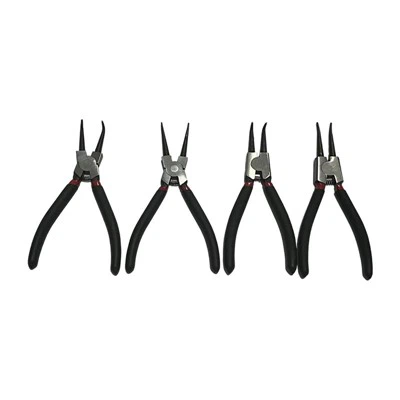
The bent - nose design of these pliers gives them an advantage when reaching into confined spaces. When dealing with metal pipes in a tight corner or surrounded by other components, American Type Bent Nose Pliers can easily access the pipe. You can use them to grip and hold the pipe in position while making connections or performing minor repairs. Their angled jaws make it easier to work around obstacles and get a better grip on the pipe compared to straight - nose pliers.
Wire Stripping Pliers
While primarily designed for stripping wires, Wire Stripping Pliers can also be used on very thin metal pipes. If you have a small - gauge metal pipe that needs to have a thin layer of coating removed or a small section trimmed, these pliers can do the job. The sharp cutting edges of wire - stripping pliers can make clean cuts on thin - walled metal pipes without deforming the pipe too much.
Precautions When Using Pliers on Metal Pipes
When using pliers on metal pipes, it's important to take some precautions.
Firstly, make sure the pliers you are using are in good condition. Worn - out jaws can slip on the metal pipe, which not only makes the job more difficult but also poses a safety risk. Check for any signs of damage, such as cracks or excessive wear on the jaws, handles, or pivot point.
Secondly, use the right amount of force. Applying too much force can damage the pliers or the metal pipe. If you encounter resistance when trying to grip or manipulate the pipe, stop and assess whether you are using the correct type of pliers. Sometimes, using a different tool or changing your approach can make the task easier and safer.
Finally, protect yourself. Metal pipes can have sharp edges, and pliers can cause injuries if used incorrectly. Wear safety glasses to protect your eyes from flying debris, and use gloves to prevent cuts and abrasions to your hands.
Benefits of Using the Right Pliers for Metal Pipes
Using the appropriate pliers for working on metal pipes offers several benefits.
Efficiency is a major advantage. The right pliers can make tasks like bending, holding, and cutting metal pipes much quicker and easier. For example, using needle - nose pliers to hold a small metal pipe in place during soldering allows you to work more precisely and reduces the chances of the pipe moving out of position.


Another benefit is the quality of work. When you use a well - designed pair of pliers, you are more likely to achieve a better result. For instance, German Type Round Nose Pliers can create smooth, consistent curves on metal pipes, enhancing the overall appearance of the finished product.
Cost - effectiveness is also a factor. By having the right pliers for the job, you can avoid damaging the pipes or the tools themselves. This reduces the need for costly replacements and repairs, saving you money in the long run.
When to Avoid Using Pliers on Metal Pipes
There are situations where using pliers on metal pipes is not recommended.
If the metal pipe is under high pressure, using pliers can be extremely dangerous. The pressure inside the pipe can cause it to burst if the pliers interfere with its integrity. In such cases, it's best to use specialized tools designed for working with pressurized pipes, such as pipe clamps or isolation valves.
Additionally, if the metal pipe is made of a very hard or brittle material, regular pliers may not be suitable. Using pliers on these types of pipes can cause the pipe to crack or break, which can lead to leaks or other problems. Specialized cutting or gripping tools made from high - strength materials may be required.
Contact Us for Your Pliers Needs
As a trusted pliers supplier, we understand the importance of having the right tools for the job. Whether you are a professional tradesperson or a DIY enthusiast, we offer a wide range of high - quality pliers suitable for working on metal pipes. Our products are designed to meet the highest standards of durability and performance.
If you are looking for reliable pliers for your metal - pipe projects, don't hesitate to contact us. We are ready to assist you in finding the perfect pliers for your specific needs. Our team of experts can provide you with detailed product information and advice to ensure you make the best choice.
References
- "Hand Tools: A Comprehensive Guide", Smith, John. 2018
- "Practical Applications of Pliers in Various Industries", Brown, Emily. 2020
- "The Art of Working with Metal Pipes", Green, David. 2019