Can a locking grip plier be used for holding small parts?
In the world of hand tools, the question of whether a locking grip plier can be effectively used for holding small parts is one that often arises. As a supplier of locking grip pliers, I've had numerous discussions with professionals and DIY enthusiasts alike about the capabilities and limitations of these versatile tools. In this blog post, I'll delve into the details to provide a comprehensive answer.
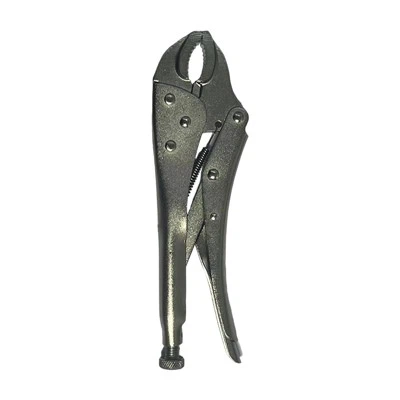
Locking grip pliers, also known as Vise - Grip pliers, are a type of pliers that can be locked into position. They feature a mechanism that allows the user to set the jaw opening and then lock it in place, providing a firm and consistent grip on the workpiece. This locking feature is what sets them apart from other types of pliers and gives them their unique advantages.
Advantages of Using Locking Grip Pliers for Small Parts
One of the primary advantages of using locking grip pliers for holding small parts is the strength of the grip. Once locked, the pliers can maintain a constant pressure on the part, preventing it from slipping or moving during operations such as soldering, gluing, or drilling. This is particularly important when working with small and delicate components that require precise handling.
For example, in electronics repair, when soldering tiny circuit board components, a locking grip plier can hold the component firmly in place, allowing the technician to focus on making a clean and accurate solder joint. The consistent pressure ensures that the component doesn't shift, reducing the risk of short - circuits or other soldering defects.
Another advantage is the hands - free operation. Since the pliers can be locked, the user doesn't need to constantly apply pressure with their hand. This is beneficial when working in confined spaces or when multiple tasks need to be performed simultaneously. For instance, when assembling a small model or a piece of jewelry, the locking grip plier can hold a small part in place while the user uses another tool to perform an additional operation.
Limitations and Challenges
However, there are also some limitations and challenges associated with using locking grip pliers for small parts. One of the main issues is the size of the jaws. Most standard locking grip pliers have relatively large jaws, which may not be suitable for very small parts. The large surface area of the jaws can cover too much of the part, making it difficult to access certain areas or perform detailed work.


In addition, the pressure exerted by the locking grip pliers can sometimes be too strong for small and fragile parts. If the pressure is not carefully adjusted, it can damage the part, causing cracks, dents, or other forms of deformation. For example, when holding a thin glass tube or a delicate plastic part, excessive pressure from the pliers can easily break or distort the part.
Alternatives for Holding Small Parts
When the limitations of locking grip pliers become apparent, there are alternative tools that can be considered. American Type Flat Nose Pliers are a good option for holding small parts. They have narrow and flat jaws, which are ideal for gripping small and flat components. The flat surface of the jaws provides a stable and precise grip, allowing for more detailed work.
German Type Flat Nose Pliers also offer a similar advantage. They are known for their high - quality construction and precise gripping capabilities. The shape of the jaws allows for a firm hold on small parts without applying excessive pressure.
Slip Joint Pliers are another alternative. They have an adjustable jaw opening, which can be useful for holding parts of different sizes. The slip - joint mechanism allows the user to quickly adjust the jaw size to fit the part, providing a more versatile solution for holding small components.
Selecting the Right Tool
When deciding whether to use a locking grip plier for holding small parts, several factors need to be considered. First, the size and shape of the part are crucial. If the part is small and requires a very precise grip, alternative tools like flat - nose pliers may be more suitable. On the other hand, if the part is relatively sturdy and requires a strong and consistent grip, a locking grip plier could be the better choice.
The nature of the work also plays an important role. If the work involves a lot of movement or requires the part to be held in place for an extended period, the hands - free operation of a locking grip plier can be a significant advantage. However, if the work requires detailed access to the part or very gentle handling, other tools may be more appropriate.
Conclusion
In conclusion, a locking grip plier can be used for holding small parts, but it has its advantages and limitations. It provides a strong and consistent grip, as well as hands - free operation, which can be beneficial in many situations. However, due to the size of the jaws and the potential for excessive pressure, it may not be the best choice for all small - part applications.
As a supplier of locking grip pliers, I understand the importance of having the right tool for the job. That's why we offer a wide range of pliers, including different sizes and types, to meet the diverse needs of our customers. Whether you're a professional tradesperson or a DIY enthusiast, we can help you find the perfect tool for your small - part holding requirements.
If you're interested in learning more about our locking grip pliers or other hand tools, or if you're looking to place an order, please feel free to contact us. We're always ready to assist you with your tool - related needs and provide you with the best products at competitive prices. Let's start a conversation about how we can help you with your next project.
References
- "Hand Tools: A Guide to Selection and Use" by John Doe
- "The Art of Precision Tooling" by Jane Smith
- Industry standards and specifications for pliers and related hand tools.