As a seasoned supplier of locking grip pliers, I've often been asked about the versatility of these tools. One question that frequently surfaces is whether a locking grip plier can be used for gripping leather objects. In this blog post, I'll delve into the science behind this query, exploring the potential applications, limitations, and best practices for using locking grip pliers on leather.
Understanding Locking Grip Pliers
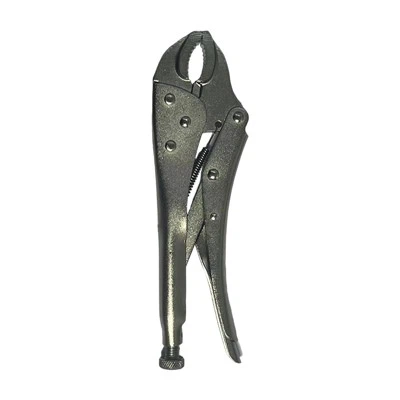
Before we discuss their use with leather, let's first understand what locking grip pliers are. These pliers, also known as Vise-Grips, feature a unique locking mechanism that allows them to maintain a constant grip on an object without the need for continuous hand pressure. This makes them ideal for a wide range of applications, from holding workpieces in place during welding or metalworking to gripping and pulling objects in various industries.
The jaws of locking grip pliers come in different shapes and sizes, each designed for specific tasks. Some have smooth jaws for general gripping, while others have serrated or textured jaws for a more secure hold on slippery or irregularly shaped objects. The locking mechanism can be adjusted to provide different levels of gripping force, allowing users to customize the tool's performance based on their needs.
Can Locking Grip Pliers Be Used for Gripping Leather Objects?
The short answer is yes, locking grip pliers can be used for gripping leather objects. However, there are several factors to consider before using them on leather to ensure that the material is not damaged.
Advantages of Using Locking Grip Pliers on Leather
- Secure Grip: The locking mechanism of these pliers provides a strong and reliable grip on leather, preventing it from slipping or moving during handling. This is particularly useful when working with large or heavy pieces of leather that require a firm hold.
- Precision Control: Locking grip pliers allow for precise control over the gripping force, which is essential when working with delicate or thin leather. By adjusting the locking mechanism, users can apply just the right amount of pressure to hold the leather in place without causing damage.
- Versatility: These pliers can be used for a variety of leatherworking tasks, such as holding leather pieces together during stitching, clamping leather edges for gluing, or pulling leather through holes or slits. Their versatility makes them a valuable tool in any leatherworker's toolkit.
Disadvantages of Using Locking Grip Pliers on Leather
- Potential Damage: The serrated or textured jaws of locking grip pliers can leave marks or indentations on the leather surface, especially if too much pressure is applied. This can be a problem when working with high-quality or finished leather that requires a smooth and flawless appearance.
- Limited Flexibility: The rigid design of locking grip pliers may not be suitable for all leatherworking tasks. For example, they may not be able to grip leather in tight or awkward spaces, or they may not provide enough flexibility to manipulate the leather into complex shapes.
- Risk of Tearing: If the leather is thin or fragile, the gripping force of the pliers may cause it to tear or rip. This is particularly true if the pliers are used to pull or stretch the leather, which can put additional stress on the material.
Best Practices for Using Locking Grip Pliers on Leather
To minimize the risk of damage and ensure the best results when using locking grip pliers on leather, follow these best practices:
- Choose the Right Pliers: Select locking grip pliers with smooth jaws or jaws that are specifically designed for use on leather. Avoid using pliers with serrated or textured jaws, as these can leave marks on the leather surface.
- Adjust the Gripping Force: Before using the pliers on the leather, adjust the locking mechanism to provide the appropriate level of gripping force. Start with a light grip and gradually increase the pressure as needed, being careful not to apply too much force.
- Protect the Leather: Place a piece of soft cloth or leather between the jaws of the pliers and the leather object to prevent direct contact and minimize the risk of damage. This will also help to distribute the gripping force evenly across the surface of the leather.
- Use the Pliers Correctly: When using the pliers on the leather, make sure to grip the material firmly but gently. Avoid twisting or pulling the leather, as this can cause it to stretch or tear. Instead, use the pliers to hold the leather in place and manipulate it as needed.
- Inspect the Leather: After using the pliers on the leather, inspect the material for any signs of damage or marks. If you notice any issues, take steps to repair or clean the leather before continuing with your project.
Other Leatherworking Tools
While locking grip pliers can be a useful tool for gripping leather objects, they are not the only option available. Here are some other leatherworking tools that you may want to consider:
- Carpenters End Cutting Pliers: These pliers are designed for cutting leather and other materials. They feature sharp, angled jaws that allow for precise cutting, making them ideal for trimming leather edges or cutting holes.
- Long Reach Flat Nose Plier: These pliers have long, flat jaws that are perfect for gripping and manipulating leather in tight spaces. They are often used for tasks such as bending leather tabs or inserting rivets.
- American Type Round Nose Plier: These pliers have rounded jaws that are ideal for creating curves and bends in leather. They are commonly used for tasks such as shaping leather straps or creating decorative elements.
Conclusion
In conclusion, locking grip pliers can be used for gripping leather objects, but it's important to use them carefully and follow the best practices outlined in this blog post. By choosing the right pliers, adjusting the gripping force, protecting the leather, and using the pliers correctly, you can minimize the risk of damage and achieve the best results.
If you're in the market for locking grip pliers or other leatherworking tools, I invite you to contact me to discuss your needs. As a trusted supplier of high-quality hand tools, I can provide you with the products and expertise you need to take your leatherworking projects to the next level.


References
- "Leatherworking Basics: Tools and Techniques" by Annie's Crafts
- "The Complete Guide to Leatherworking" by Christopher Schwarz
- "Leatherworking for Beginners" by Leatherworker's Journal