Hey there! As a supplier of Locking Grip Pliers, I often get asked a bunch of questions about these handy tools. One question that pops up quite a bit is, "Can a locking grip plier be used for cutting?" Well, let's dig into this topic and find out.
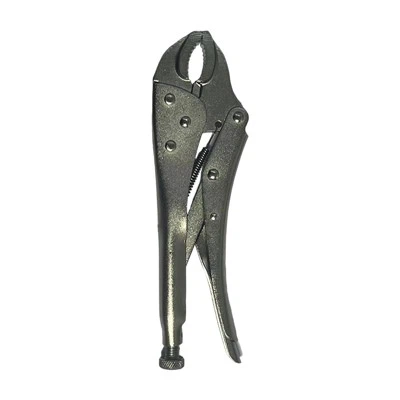
First off, let's talk a bit about what a locking grip plier is. A locking grip plier, like the ones you can check out here, is a versatile tool. It's designed with a locking mechanism that allows you to clamp down on an object tightly and keep it in place. This makes it great for holding things steady, like pipes, rods, or other materials while you're working on them.
Now, when it comes to cutting, it's a different story. Locking grip pliers aren't primarily designed for cutting. Their main function is gripping and holding. But that doesn't mean they can't be used for some light cutting in a pinch.
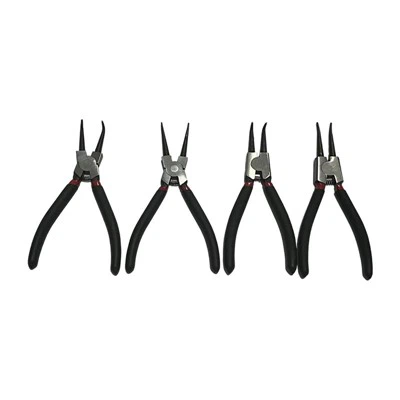
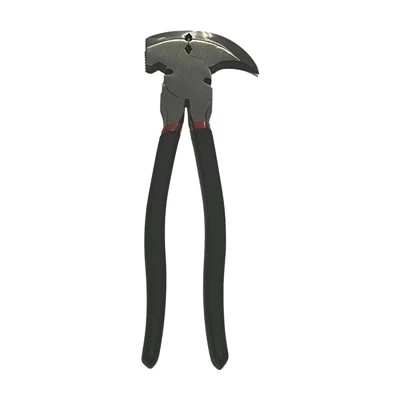
The jaws of a locking grip plier are usually thick and strong, made for gripping. They don't have the sharp, precise cutting edges that you'd find on specialized cutting pliers, such as Slip Joint Pliers or Carpenters End Cutting Pliers. These specialized cutting pliers are designed with sharp blades that can cleanly and efficiently cut through materials like wires, nails, and small metal rods.
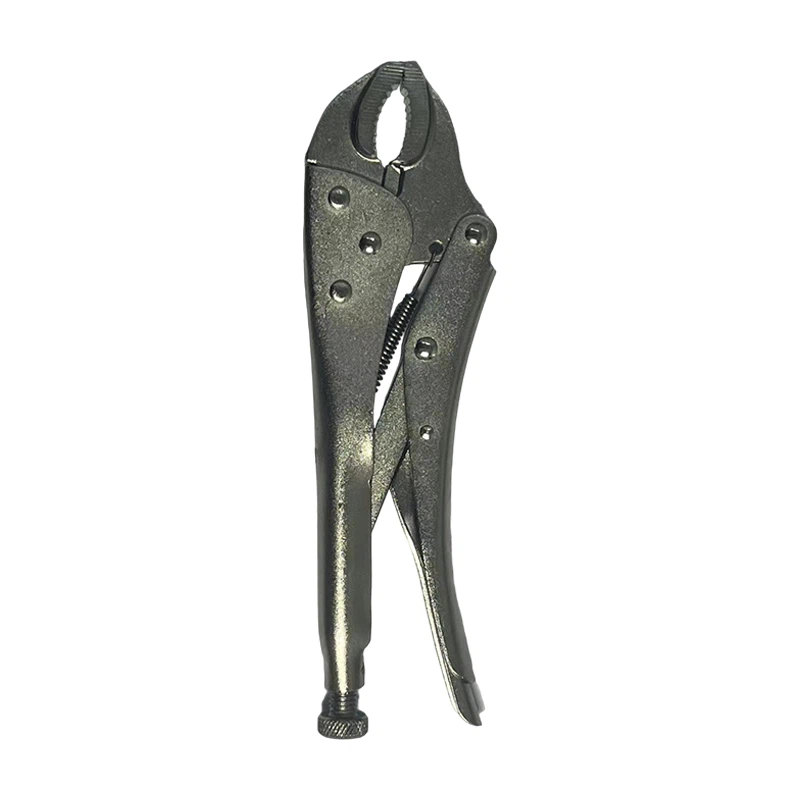

If you try to use a locking grip plier for cutting, you might be able to cut through some thin, soft materials. For example, you could probably cut through a thin piece of plastic or a small, soft wire. But the cut won't be very clean. You might end up with a ragged edge, and it could take a lot of force to get through the material.
On top of that, using a locking grip plier for cutting can damage the jaws. The force required to cut can cause the jaws to wear down or even become misaligned over time. This can affect the plier's ability to grip properly, which is its main job.
So, while you can technically use a locking grip plier for some light cutting, it's not the best tool for the job. If you need to do a lot of cutting, it's much better to invest in a pair of good-quality cutting pliers.
Let's look at the pros and cons of using a locking grip plier for cutting.
Pros
- Versatility: In a situation where you don't have a cutting tool handy, a locking grip plier can be a temporary solution for cutting thin, soft materials.
- Availability: If you already have a locking grip plier in your toolbox, you can use it right away without having to go out and buy a new tool.
Cons
- Poor Cutting Quality: As mentioned earlier, the cuts won't be clean. You'll likely end up with rough, jagged edges.
- Damage to the Pliers: Cutting can damage the jaws, reducing the plier's effectiveness as a gripping tool.
- Inefficiency: It takes more time and effort to cut with a locking grip plier compared to using a proper cutting tool.
Now, if you're in the market for a locking grip plier, we've got you covered. Our locking grip pliers are made from high-quality materials, ensuring durability and a strong grip. They're perfect for all your gripping needs, whether you're working on a DIY project at home or in a professional setting.
We understand that different jobs require different tools, and that's why we offer a wide range of hand tools, including the specialized cutting pliers I mentioned earlier. If you're not sure which tool is right for your job, just reach out to us. Our team of experts is always happy to help you make the right choice.
Whether you're a professional tradesperson or a DIY enthusiast, having the right tools is essential. Don't settle for a subpar tool when you can have the best. So, if you're looking to upgrade your tool collection or need a new locking grip plier, get in touch with us. We're here to make sure you have the tools you need to get the job done right.
If you're interested in purchasing our locking grip pliers or any of our other hand tools, just contact us for more information and to start the procurement negotiation process. We're looking forward to working with you!
References
- General knowledge about hand tools and their applications.
- Experience as a Locking Grip Plier supplier.