Are Mini Pliers Sets magnetic?
As a supplier of Mini Pliers Sets, I often encounter various questions from customers, and one that comes up quite frequently is whether these sets are magnetic. In this blog post, I'll delve into this topic, exploring the factors that determine the magnetism of mini pliers sets, the implications of magnetism in different applications, and how our products stand in this regard.
First, let's understand what makes a tool magnetic. Magnetism in tools is mainly related to the materials they are made of. Most metals can be classified into ferromagnetic, paramagnetic, and diamagnetic materials. Ferromagnetic materials, such as iron, nickel, and cobalt, have strong magnetic properties and can be easily magnetized. Paramagnetic materials are weakly attracted to magnetic fields, while diamagnetic materials are repelled by magnetic fields.
When it comes to mini pliers sets, the magnetism depends largely on the composition of the pliers. Many mini pliers are made from high - carbon steel or alloy steel. High - carbon steel typically contains a significant amount of iron, which is a ferromagnetic material. So, in general, mini pliers made from high - carbon steel are likely to be magnetic. Alloy steels can also have magnetic properties, depending on the specific alloying elements they contain. For example, if an alloy steel has a high iron content along with other elements for enhanced strength and durability, it will retain magnetic characteristics.
However, not all mini pliers sets are magnetic. Some manufacturers may use non - ferromagnetic materials or treat the pliers to reduce or eliminate magnetism. For instance, certain stainless steels are used in the production of mini pliers. Austenitic stainless steels, which are non - magnetic, are sometimes chosen for applications where magnetism could be a problem. These steels offer good corrosion resistance and are suitable for use in environments where magnetic interference needs to be avoided.
Now, let's consider the implications of magnetism in different applications. In some industries, magnetism can be an advantage. For example, in electronics manufacturing, magnetic mini pliers can be useful for picking up small metal components such as screws or pins. The magnetic force helps to hold these parts securely, reducing the risk of dropping and losing them during the assembly process. In jewelry making, magnetic pliers can also be handy for handling tiny metal beads or findings.
On the other hand, there are situations where magnetism can be a drawback. In the field of precision engineering, magnetic pliers can interfere with sensitive electronic equipment. The magnetic field generated by the pliers can disrupt the normal operation of components such as hard drives, sensors, or other magnetic - sensitive devices. In some scientific research settings, where accurate measurements are crucial, the presence of magnetism in tools can introduce errors.
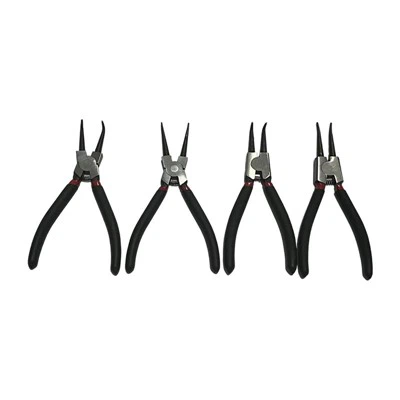
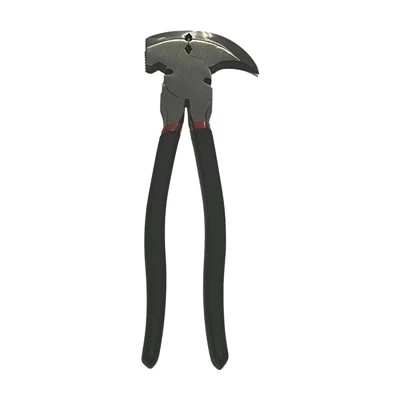
As a supplier of Mini Pliers Sets, we offer a diverse range of products to meet different customer needs. Our Tower Pincer Plier is a popular choice among customers. It is made from high - quality alloy steel, which gives it good strength and durability. This type of plier is magnetic, making it ideal for tasks that require holding small metal objects. The magnetic property allows for efficient handling of parts, improving productivity in various work environments.
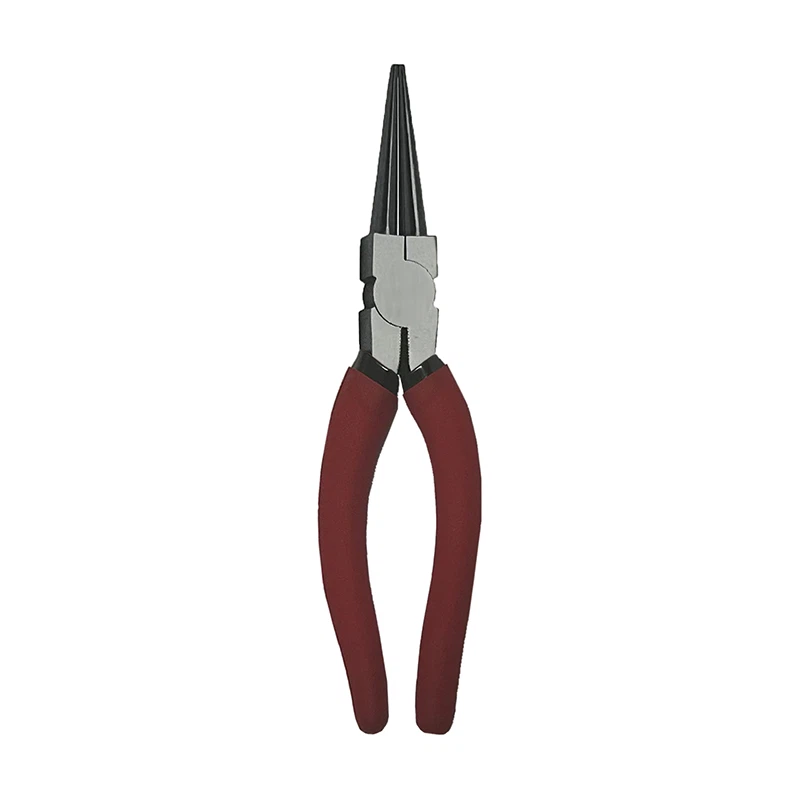
Our American Type Round Nose Plier is another excellent option. It is available in both magnetic and non - magnetic versions. The magnetic ones are suitable for general - purpose use, while the non - magnetic ones are specifically designed for applications where magnetism could cause problems, such as working with magnetic - sensitive electronics.
The Long Reach Bent Nose Plier in our product line also comes with different magnetic properties. The long reach design allows for easy access to hard - to - reach areas. Whether you need a magnetic version for holding small metal pieces in tight spaces or a non - magnetic one for precision work, we have you covered.
We understand that the choice between magnetic and non - magnetic mini pliers sets is crucial for our customers. That's why we provide detailed product information about the magnetic properties of each plier in our catalog. Our technical support team is also available to assist customers in selecting the most suitable product for their specific applications.
If you are in the market for mini pliers sets, whether you need magnetic ones for efficient component handling or non - magnetic ones for sensitive work, we are here to help. We offer high - quality products at competitive prices, backed by our commitment to customer satisfaction. If you have any questions or would like to discuss your requirements further, please feel free to reach out to us. We are looking forward to having a procurement negotiation with you to meet your needs and provide the best solutions for your business.

References
- "Materials Science and Engineering: An Introduction" by William D. Callister Jr. and David G. Rethwisch
- "Hand Tools: A Practical Guide" by various industry experts