Are locking grip pliers good for DIY projects?
In the realm of do - it - yourself (DIY) projects, having the right tools can make all the difference between a successful endeavor and a frustrating experience. One such tool that often sparks interest among DIY enthusiasts is the locking grip pliers. As a supplier of locking grip pliers, I am well - versed in their capabilities and how they can fit into various DIY scenarios.
Understanding Locking Grip Pliers
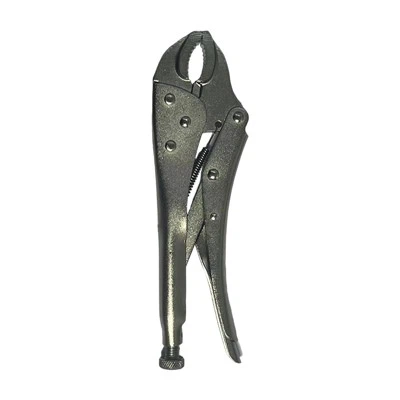
Locking grip pliers, also known as vise - grip pliers, are a type of adjustable pliers that can be locked in place once they are adjusted to the desired opening width. This locking mechanism is their defining feature, setting them apart from regular pliers. They typically consist of a pair of jaws that can be adjusted using a screw or a lever, and once locked, they maintain a firm grip on the object they are holding.
Advantages in DIY Projects
1. Versatility
One of the most significant advantages of locking grip pliers in DIY projects is their versatility. They can be used in a wide range of applications. For example, in woodworking, they can be used to hold pieces of wood together while gluing or nailing. In metalworking, they can grip metal rods, pipes, or sheets firmly, allowing for precise cutting, bending, or welding. Whether you are working on a small jewelry - making project or a large - scale home renovation, locking grip pliers can find a use.
2. Strong Grip
The locking feature of these pliers provides an incredibly strong grip. This is especially useful when dealing with slippery or irregularly shaped objects. In plumbing projects, for instance, when tightening or loosening pipes, a regular pair of pliers might slip, but locking grip pliers will hold fast. This strong grip ensures that you can apply the necessary force without the risk of the tool slipping and causing damage to the workpiece or injuring yourself.
3. Hands - Free Operation
Once locked onto an object, locking grip pliers can operate hands - free. This is a huge advantage in many DIY situations. For example, when soldering electronic components, you can use the pliers to hold the components in place while you focus on soldering. This not only makes the process more efficient but also allows for greater precision as you can use both hands for the soldering task.
4. Cost - Effective
Compared to some specialized tools, locking grip pliers are relatively inexpensive. A single pair of locking grip pliers can replace multiple other tools in many DIY projects. Instead of having to buy a separate clamp for holding wood, a vice for metalworking, and a gripper for plumbing, you can use a pair of locking grip pliers for all these tasks. This cost - effectiveness makes them an attractive option for DIYers on a budget.
Limitations and Considerations
1. Potential for Damage
While the strong grip of locking grip pliers is an advantage, it can also be a drawback. If not used carefully, they can damage the surface of the object they are gripping. For example, in a project involving delicate materials like polished metal or soft plastics, the jaws of the pliers can leave marks or scratches. To mitigate this, you can use jaw protectors or choose pliers with softer jaws.
2. Limited Adjustability Range
Some locking grip pliers have a limited range of adjustment. This can be a problem when working with objects of very different sizes. If you need to grip a very thin wire and then a thick pipe in the same project, you might find that a single pair of pliers cannot handle both tasks effectively. In such cases, you may need to have multiple pairs of pliers with different adjustment ranges.
3. Learning Curve
Using locking grip pliers effectively requires some practice. The locking mechanism can be a bit tricky to operate at first, especially for beginners. Incorrectly locking the pliers can result in a weak grip or make it difficult to release the object. However, with a little bit of practice, most DIYers can quickly master the use of these pliers.


Complementary Tools in DIY Projects
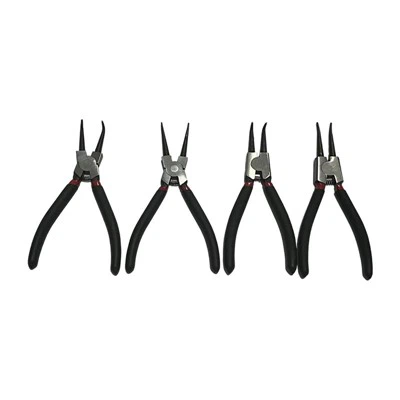
Locking grip pliers can be used in conjunction with other tools to enhance their effectiveness in DIY projects. For example, when working on electrical projects, they can be used alongside Germany Type Long Nose Pliers. The long nose pliers can be used for reaching into tight spaces and manipulating small wires, while the locking grip pliers can hold larger components in place.
In cutting tasks, a Cutting Pliers Set can be used in combination with locking grip pliers. The cutting pliers can make the actual cuts, and the locking grip pliers can hold the material steady during the cutting process.
For projects that require holding circular objects, Long Handled O - shaped Pliers can work well with locking grip pliers. The O - shaped pliers can cradle the circular object, and the locking grip pliers can provide additional stability.
Conclusion
In conclusion, locking grip pliers are an excellent addition to any DIYer's toolbox. Their versatility, strong grip, hands - free operation, and cost - effectiveness make them well - suited for a wide variety of DIY projects. While they do have some limitations, these can be easily managed with proper use and by having complementary tools on hand.
If you are a DIY enthusiast looking to expand your tool collection or a professional in need of reliable tools for your projects, our locking grip pliers are a great choice. We offer a wide range of locking grip pliers to meet different needs and budgets. Whether you are a beginner or an experienced DIYer, our products can help you achieve your project goals more efficiently and effectively.
If you are interested in purchasing our locking grip pliers or have any questions about our products, we encourage you to contact us for a procurement discussion. We are committed to providing high - quality tools and excellent customer service.
References
- "Hand Tools for DIY Enthusiasts" - A guidebook on various hand tools used in DIY projects.
- "The Art of DIY: Using Pliers Effectively" - An online article discussing the use of different types of pliers in DIY.