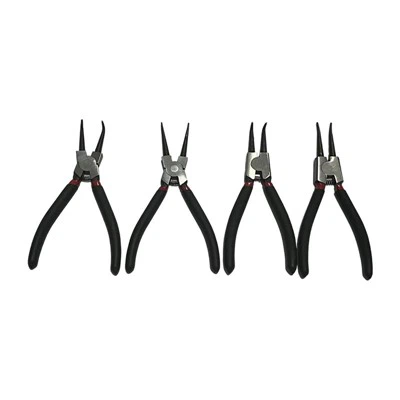
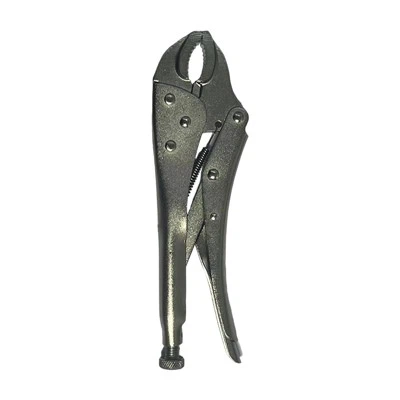
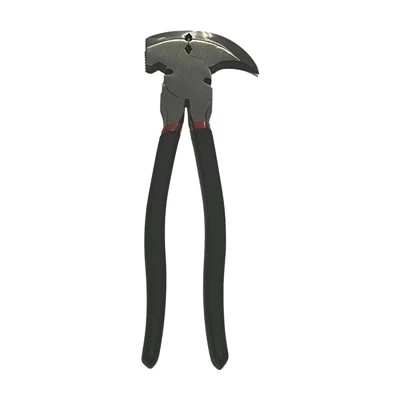
As a supplier of Germany Type Long Nose Pliers, I've encountered numerous inquiries from customers regarding the rust - resistance of these tools. This blog aims to delve into the topic comprehensively, providing you with scientific insights and practical information.
Understanding the Composition of Germany Type Long Nose Pliers
Germany Type Long Nose Pliers are typically crafted from high - quality alloy steels. These steels are specifically formulated to offer a balance of strength, durability, and in some cases, corrosion resistance. The alloying elements play a crucial role in determining the rust - resistance of the pliers.
Common alloying elements in these pliers include chromium, nickel, and molybdenum. Chromium is well - known for its ability to form a passive oxide layer on the surface of the steel. This layer acts as a barrier, preventing oxygen and moisture from reaching the underlying metal and thus reducing the likelihood of rust formation. Nickel enhances the toughness and corrosion resistance of the steel, especially in environments with high humidity or exposure to certain chemicals. Molybdenum improves the strength and pitting resistance of the steel, which is important in preventing localized corrosion that can lead to rust spots.
Factors Affecting Rust Resistance
1. Manufacturing Process
The manufacturing process of Germany Type Long Nose Pliers significantly impacts their rust - resistance. Precision forging and heat - treatment processes are commonly employed. During forging, the steel is shaped under high pressure, which can improve its internal structure and density. A well - forged steel has fewer voids and defects, reducing the areas where moisture and oxygen can penetrate.
Heat - treatment is another critical step. By carefully controlling the heating and cooling rates, the steel's hardness and toughness can be optimized. Additionally, proper heat - treatment can enhance the formation of the passive oxide layer on the surface, further improving rust resistance. For example, some advanced heat - treatment techniques can create a more uniform and adherent oxide layer, providing better protection against corrosion.
2. Surface Coating
Many Germany Type Long Nose Pliers are coated with a protective layer to enhance their rust - resistance. Common coatings include chrome plating, black oxide coating, and powder coating.
Chrome plating provides a shiny and durable surface that is highly resistant to corrosion. It not only protects the steel from rust but also gives the pliers an aesthetically pleasing appearance. Black oxide coating, on the other hand, is a more cost - effective option. It forms a thin, black layer on the surface of the pliers that provides some degree of corrosion protection. The black oxide coating also has the advantage of reducing glare, which can be beneficial when working in bright environments. Powder coating is a relatively new technique that involves applying a dry powder to the pliers and then curing it under heat. This creates a thick, durable coating that can resist scratches and corrosion.
3. Environmental Conditions
The environment in which the pliers are used and stored has a profound impact on their rust - resistance. In a dry and clean environment, the risk of rust is relatively low. However, in humid, salty, or chemically - polluted environments, the pliers are more likely to rust.
For instance, in coastal areas, the high salt content in the air can accelerate the corrosion process. Saltwater can break down the protective oxide layer on the surface of the pliers, allowing oxygen and moisture to reach the steel. Similarly, in industrial settings where there are chemicals such as acids or alkalis, the pliers need to have a high level of corrosion resistance to avoid rusting.
Comparing with Other Types of Pliers
When comparing Germany Type Long Nose Pliers with other types of pliers, such as Long Reach Bent Nose Plier, American Type Round Nose Plier, and American Type Combination Pliers, the rust - resistance can vary.

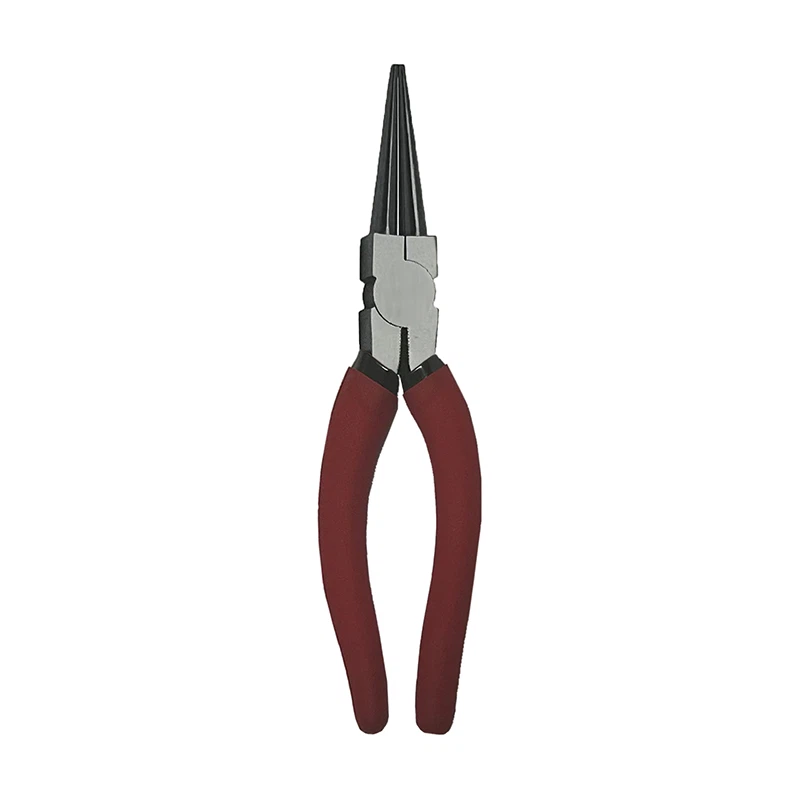
Germany Type Long Nose Pliers are often renowned for their high - quality materials and advanced manufacturing processes, which generally result in better rust - resistance. However, some American Type pliers may also have good rust - prevention features, especially if they are made from high - grade steels and are properly coated.
The Long Reach Bent Nose Plier may have different design requirements that could affect its rust - resistance. For example, its long and bent shape may make it more difficult to coat evenly in some manufacturing processes, potentially leaving some areas more vulnerable to rust. American Type Round Nose Pliers and Combination Pliers may have different alloy compositions and coating options, which can also lead to variations in rust - resistance.
Maintenance for Rust Prevention
Even with high - quality materials and excellent manufacturing processes, proper maintenance is essential to ensure the long - term rust - resistance of Germany Type Long Nose Pliers.
1. Cleaning
After each use, it is important to clean the pliers to remove any dirt, debris, or moisture. A clean cloth can be used to wipe the pliers dry. If the pliers have been exposed to chemicals or saltwater, they should be washed with mild soap and water and then dried thoroughly. Avoid using abrasive cleaners that can scratch the surface coating, as scratches can compromise the rust - resistance.
2. Storage
Proper storage is crucial for preventing rust. The pliers should be stored in a dry place, preferably in a toolbox or cabinet with a desiccant to absorb moisture. If possible, storing the pliers in a sealed plastic bag can further reduce their exposure to air and moisture.
Conclusion
In general, Germany Type Long Nose Pliers have good rust - resistance due to their high - quality alloy steels, advanced manufacturing processes, and protective surface coatings. However, their rust - resistance is not absolute and can be affected by various factors such as environmental conditions and maintenance.
If you are in the market for high - quality and rust - resistant pliers, our Germany Type Long Nose Pliers are an excellent choice. We offer a wide range of pliers that are designed to meet the needs of different industries and applications. Whether you are a professional mechanic, a DIY enthusiast, or an industrial worker, our pliers can provide reliable performance and long - lasting durability.
If you are interested in purchasing our Germany Type Long Nose Pliers or have any questions about our products, please feel free to contact us for further discussion. We look forward to the opportunity to serve you and provide you with the best hand - tool solutions.
References
- ASM Handbook Volume 13A: Corrosion: Fundamentals, Testing, and Protection. ASM International.
- Metals Handbook Desk Edition, 3rd Edition. ASM International.
- "Corrosion Prevention and Control in Manufacturing" by Robert Baboian. NACE International.